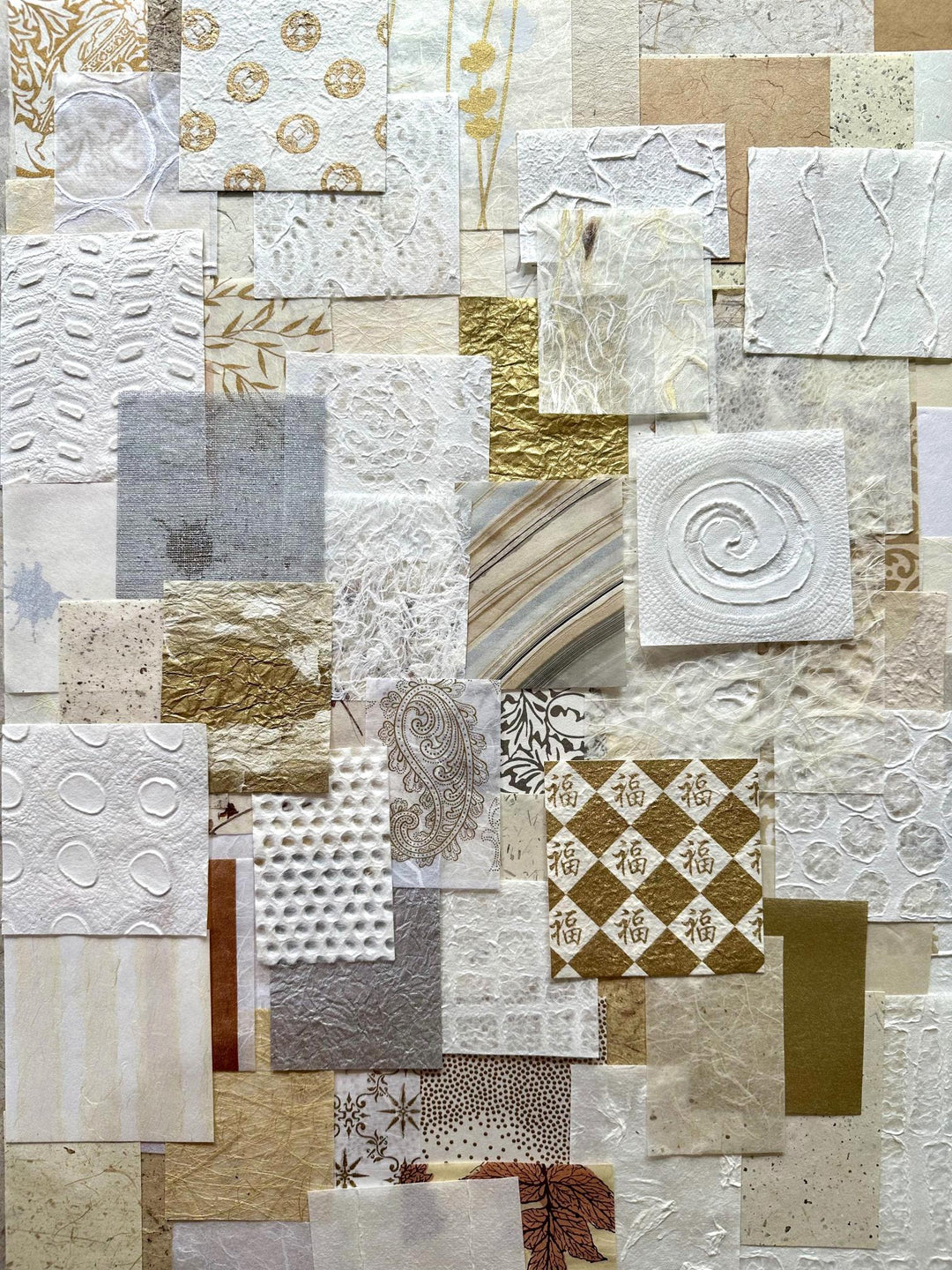
Our Mulberry Paper Scrap Packs are perfect for paper crafters looking for a wide range of design options without the hassle of sourcing different materials. With six distinct versions—Golden Harvest, Winter Solace, Forever Valentines, Print Carnival, Garden Grove, and Spring...
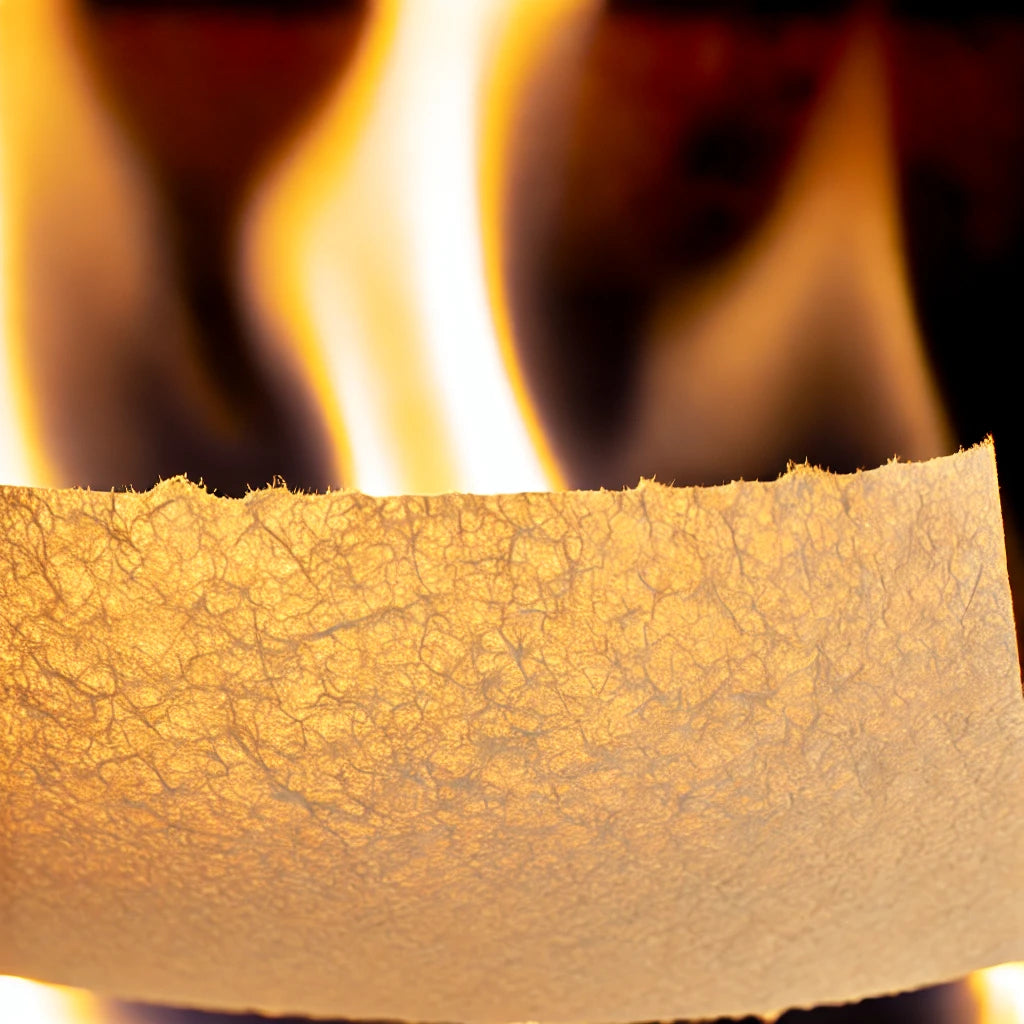
Mulberry paper, cherished for its strength, beauty, and versatility, is widely used in crafts like calligraphy, bookbinding, lantern-making, and paper art. However, like most papers, it’s flammable, making certain projects vulnerable to fire risks. To extend the uses of mulberry...
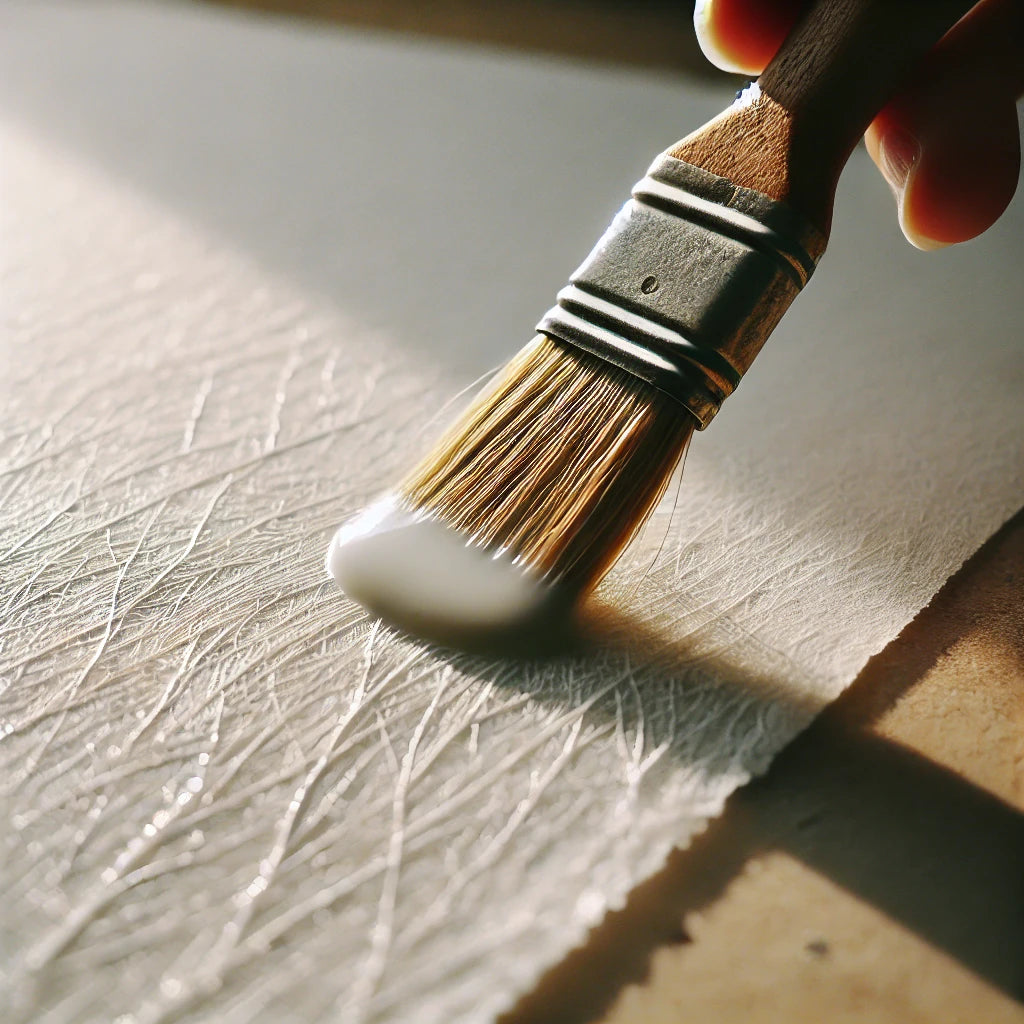
Choosing the right glue is essential when working with mulberry paper to preserve its beauty while ensuring a strong bond. In this article, we’ll explore the best glues to use with mulberry paper and how they enhance different crafting projects.
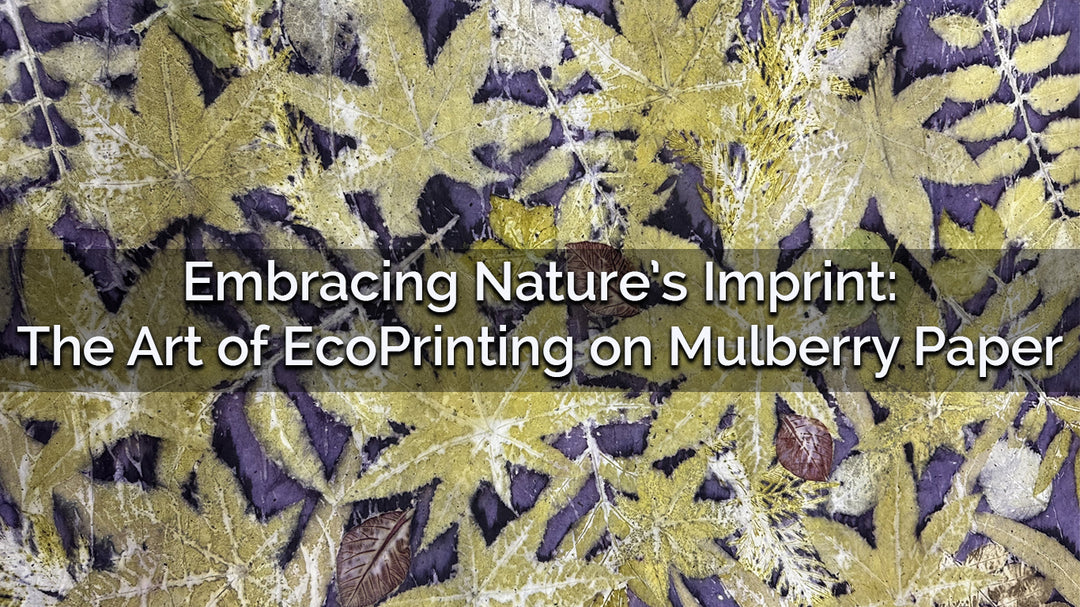
EcoPrinting on mulberry paper is more than just an art form; it’s a sustainable practice that connects us to the natural world in the most beautiful way. It challenges us to see the value in leaves and flowers not just as fleeting parts of our environment but as vibrant pigments waiting to be transformed into art. Each print, infused with natural patterns, is a reminder of our planet’s beauty and the importance of preserving it.
Mulberry paper is quickly becoming a favorite in the decoupage community because of its high-quality texture, excellent ink absorption, strength, and Eco-friendliness. This guide will explore why mulberry paper stands out, its advantages for decoupage, and how you can use it in your crafts.
Among the myriad of options available, mulberry paper stands out as a unique and versatile choice for lampshades, combining durability with a delicate beauty that can transform any space. This blog offers insights into selecting the perfect mulberry lampshade paper for your home or workspace.
This comprehensive guide explores the traditional and eco-friendly techniques employed in converting the bark of the paper mulberry tree, also known as the Kozo, into the highly sought-after and versatile Flexi Mulberry Bark.
Gyotaku, a traditional Japanese fish printing art, primarily uses 'Washi Paper,' known as Kozo, Mulberry, Hanji, or Rice Paper. This paper, made from Paper Mulberry bark, is crucial for its detail capture and texture. This article reviews our top mulberry papers ideal for Gyotaku.
Incorporating mulberry paper, also known as Kozo paper, Washi, or rice paper, into your home decor is a wonderful way to infuse elegance and uniqueness into your living space. Its versatility and timeless appeal make it a material worth considering for your next decor project. From window coverings to lampshades, wall art to table settings, mulberry paper offers countless possibilities to elevate your home decor to new heights.
Explore the world of Mulberry Paper, also known as Kozo Paper, Washi, Hanji, and Rice Paper. Learn about its rich history, traditional production process, and diverse applications for art, home decor, and more.
Following the sugar pressing, the sugarcane bagasse can be utilized in the production of paper. But how exactly do you make a fine sugarcane paper? Let’s find out!
Kozo paper possesses qualities such as strength, flexibility, lightness, and paintability that make it suitable for crafting kites. While cheaper colored wax papers are commonly used in modern kite-making, a community of traditional kite enthusiasts opt for mulberry paper in their kite crafting.
Although a bread aficionado can easily distinguish between Baguette Classique, Baguette Tradition, Baguette de Campagne, Ficelle, or Pain Bâtard, a paper enthusiast may not discern the variances between these mulberry papers.
Using kozo paper in paper conservation is a great way to protect important paper-based artifacts for a long time. The National Library of Thailand is doing an amazing job in this field, and it's really worth appreciating their efforts. Learn how they do it here!
Undoubtedly, Unryu paper possesses a remarkable beauty with its long fibers gracefully floating in multiple directions, translucent texture, delicate character, and an impeccable wow-factor.
When banana fruits and leaves are harvested, their stems and trunks are usually thrown away. So, we have a ton (I mean, a TON) of leftover banana stems and trunks just lying around. Fortunately, we have a way to make the most out of them!
Kozo papers are well-known among paper enthusiasts, but not many people know about the plant that that brings life to the papers. So, let’s dive in and explore the fascinating plant itself!
Papers made from wood pulp yellow and become brittle over time, while kozo paper (washi) can last over 1,000 years. The key difference is lignin. To understand why, read more!
It is no secret that kozo papers are stronger and more durable than most papers in today market. A thin sheet of kozo can punch above its weight class when it comes to the ability to withstand wear and tear. In this post, we will explain why our beloved papers have such properties!
Hello paper lovers! This post will explore the benefits of adding a touch of elegance and eco-friendliness to your book with kozo papers! Kozo paper, also known as mulberry paper, is a type of traditional made from the fibers of...
Momigami, also known as kneaded paper, is a traditional Japanese paper art that dates back hundred of years. The term "momigami" translates to "kneaded paper" in Japanese, referring to the process of crinkling the paper by hand.
Mulberry Paper Guides & Resources for Art and Craft